
A Beginner’s Guide to Cannabis Concentrates in Canada

If you’re new to cannabis concentrates, the number of different names can get confusing quickly. Shatter, live resin, cured resin, diamonds, sauce, rosin, distillate—the list keeps growing.
While these products all fall under the broad category of cannabis concentrates, they aren’t necessarily the same thing. Different extraction and processing methods can produce concentrates with very different textures, aromas, cannabinoid profiles, and characteristics.
This beginner-friendly guide breaks down some of the most common types of cannabis concentrates in Canada and the terminology you’re likely to encounter.
What Are Cannabis Concentrates?
Cannabis concentrates are products in which cannabinoids and other compounds from cannabis have been concentrated from the original plant material.
That broad definition covers a surprisingly large range of products.
Depending on how a concentrate is produced and processed, the finished product can be brittle like glass, thick like honey, granular like sugar, crystalline, creamy, or oily.
The names used for concentrates often describe either how the product was made, its consistency, or both.
Here are some of the most common terms.
Shatter
Shatter is one of the most recognizable cannabis concentrates.
It gets its name from its typically firm, glass-like appearance. Depending on its composition and temperature, shatter can range from brittle to slightly flexible.
Its appearance can vary from pale yellow and gold to darker amber.
Shatter became one of the better-known concentrate categories in Canada and is still a term you're likely to see when exploring extract products.
Live Resin
The word “live” is important here.
Live resin is generally produced using cannabis material that has been preserved soon after harvest rather than going through the traditional drying and curing process first.
The goal is to retain more of the compounds associated with the original plant's aromatic profile.
As a result, live resin is often discussed in terms of its terpene profile, aroma, and flavour characteristics.
Its consistency varies considerably and may be saucy, sugary, creamy, or somewhere in between.
Live Resin vs. Cured Resin
These two terms sound similar but refer to an important difference in starting material.
Live resin typically begins with freshly harvested cannabis that has been preserved, while cured resin is generally produced from cannabis that has undergone a drying and curing process.
That difference can influence the resulting concentrate's aroma, flavour profile, consistency, and overall composition.
Neither term automatically tells you whether one particular product is “better” than another.
Rosin
Rosin stands apart from many other concentrates because it is produced through a mechanical process involving pressure and heat rather than conventional solvent-based extraction.
Different starting materials can also produce different categories of rosin.
You may encounter terms such as:
Flower rosin
Hash rosin
Live rosin
Live rosin generally combines preserved starting material with solventless processing techniques.
Because of this, live resin and live rosin are not interchangeable terms, even though their names sound similar.
Cannabis Diamonds
Cannabis diamonds are crystalline formations primarily consisting of concentrated cannabinoids.
They can range from tiny crystals to much larger formations and are frequently associated with THCA, the acidic precursor to THC.
You may also see diamonds combined with a terpene-rich liquid commonly referred to as sauce.
That leads us to another common term.
Diamonds and Sauce
Diamonds and sauce combines crystalline cannabinoid material with a liquid fraction containing other cannabis compounds, including terpenes.
Visually, it's one of the easiest concentrate categories to recognize because you'll typically see solid crystalline structures surrounded by a thicker liquid.
The exact ratio and consistency can differ significantly between products.
What Is Sauce?
“Sauce” is a fairly broad concentrate term.
Rather than describing one universal formula, it generally refers to a concentrate with a noticeably liquid or semi-liquid consistency that may contain a significant terpene fraction.
This is also why you'll sometimes encounter product descriptions such as diamonds and sauce.
As cannabis extraction technology has developed, manufacturers have created increasingly different consistencies and formulations, so terminology isn't always perfectly standardized.
Distillate
Cannabis distillate takes a different approach.
Instead of emphasizing the broad collection of compounds found in the original plant, distillation is designed to further refine and concentrate particular cannabinoids.
The resulting material is typically a thick oil.
Because distillate can have a comparatively neutral profile after extensive refinement, formulations may contain additional ingredients or flavouring components where legally permitted.
Distillate has been used across numerous cannabis product formats, which has made it one of the more widely recognized extract categories.
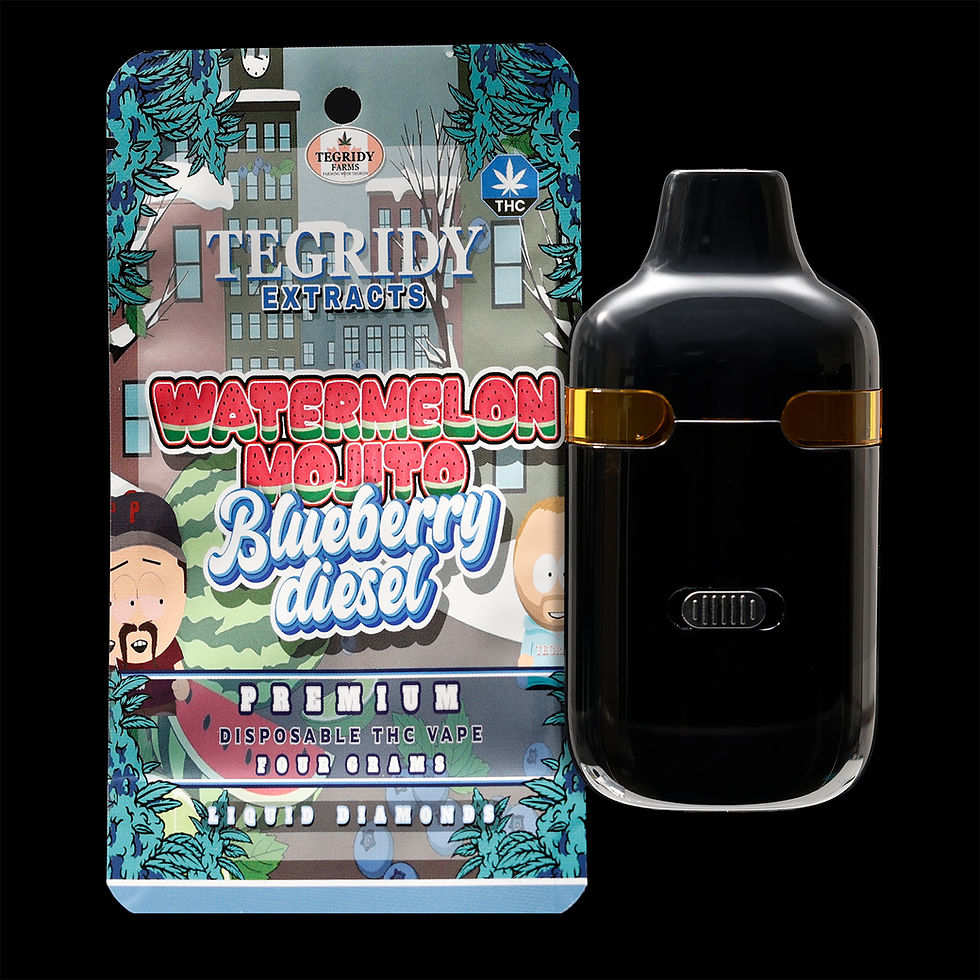
What Are Liquid Diamonds?
Liquid diamonds has become an increasingly common term within the concentrate and vape categories.
The terminology can be confusing because traditional cannabis diamonds are solid crystals.
“Liquid diamonds” generally refers to cannabinoid-rich formulations that have been processed into a liquid suitable for certain product formats. However, the exact composition and manufacturing process can differ between producers.
For consumers, that makes the actual product label and ingredient information more useful than relying exclusively on the marketing name.
We'll explore liquid diamonds in much greater detail in a separate Canadian Concentrates Club guide.
Hash and Traditional Concentrates
Not every concentrate is the result of modern extraction technology.
Hash has existed for centuries and represents one of the oldest forms of cannabis concentrate.
Traditional hash-making techniques separate and collect the plant's resinous trichomes before compressing or otherwise processing the material.
Modern versions have expanded this category considerably, with products ranging from traditional pressed hash to highly refined hash preparations.
Why Are There So Many Different Concentrates?
Cannabis contains numerous compounds, and different processing methods preserve, remove, separate, or concentrate those compounds differently.
That creates an enormous range of possible finished products.
It's also why two concentrates that appear similar may have been produced through very different processes.
When comparing products, don't rely solely on appearance.
Look at the product category, cannabinoid information, ingredients, producer information, package information, and other details provided on the label.
Concentrate Terminology Will Keep Changing
Cannabis concentrates are an evolving category.
New extraction technologies, hardware, formulations, and product names continue to appear, and some terminology is used differently between manufacturers.
That's why understanding the fundamentals is useful.
Once you understand the difference between terms such as shatter, live resin, cured resin, rosin, diamonds, sauce, and distillate, navigating the concentrate category becomes considerably easier.
Keep Exploring Canadian Concentrates
Canadian Concentrates Club is building a growing collection of straightforward guides covering cannabis extracts, terminology, products, brands, and the Canadian concentrate market.
We'll be taking deeper dives into live resin, cured resin, liquid diamonds, vape hardware, extraction terminology, concentrate consistency, and more.
Looking to see what’s currently available?
Adults of legal age can explore the current selection at Ballerclub.shop.
Always follow the cannabis laws and regulations applicable in your province or territory.


Comments